Buildings and Lighting:
An Interview With Photographer Harland Cossons
V : Harland, thank you for agreeing to this interview ! I have been eager to talk to you about your work.
H : Thank you ! I am happy to be here.
V : So tell me, what camera do you use ?
H : I use two. The LUMIX S5 and NIKONOS IV-A; which is a waterproof camera.
V : What got you into photography ?
H : My Grand-Dad. I mean he didn’t like to be called Grand-Dad. He was very keen on photography, and when he passed I got his old cameras. I also got a few philosophy and history books from him, about West Virginia, where I am from.
V : That’s amazing. So, when you take pictures, do you play around with lenses and filters ?
H : No. Well, I mean kind of. I recently have been playing around with hair spray on lenses. I watched this film, Days of Heaven, and I really loved how the sun looked in it. I did a lot of research, and found out that the effect is achieved with something called ‘Mist Filters’. There are black or white ones; they give off a fog-like effect. It’s not that expensive to do and the results are great !
V : So did you buy this filter, or did you do it yourself?
H : I made it ! You need a blank filter, which is clear glass that costs about three pounds. Then you have to buy some hair spray and spray over the filter. Ultimately, I ended up spending as much money as if I had just bought the Mist Filter; which costs twenty pounds.
V : I guess the process made it special ?
H : No it was quite boring, although I was excited to make something. I blame my excitement on the hair spray fumes.
V : So, do you like experimental photography? As in, do you follow specific artistic direction or do you like to follow more classical norms of photography?
H : I experiment with photography when I get bored, but it’s never my go-to mechanism. I did it quite a lot on my year abroad. That is when I really got into photography in general. Before that, I was really just an occasional holiday photographer.
V : So, in general; what would be a photography oriented day in your life like? Do you walk around with your camera and wait for something to resonate with you, or do you have specific things you want to capture?
H : I really enjoy walking. It’s something I do a lot. I really love architecture, especially Brutalism. So whenever I go out with my camera, it is often under the pretence of looking at buildings. I do quite a lot of walking tours of brutalist buildings in London. For example, I really enjoy the National Theatre. It has such an interesting back story. During its construction, it was intended to have a more egalitarian design, so many playwrights and actors were involved in the process. This delayed the construction because no one agreed on anything. They spent the whole time arguing.
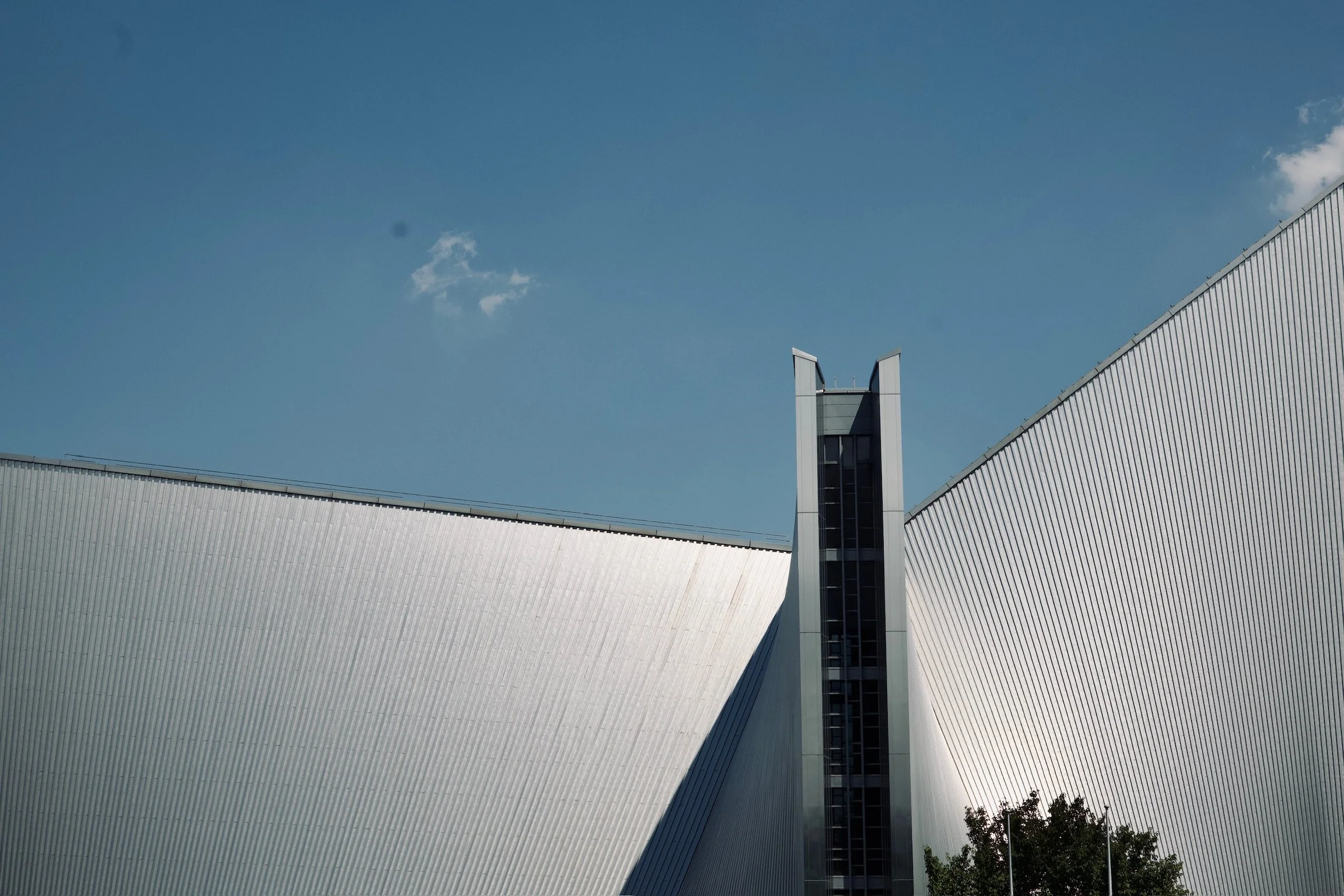
St. Mary's, Tokyo, 03/10/2025
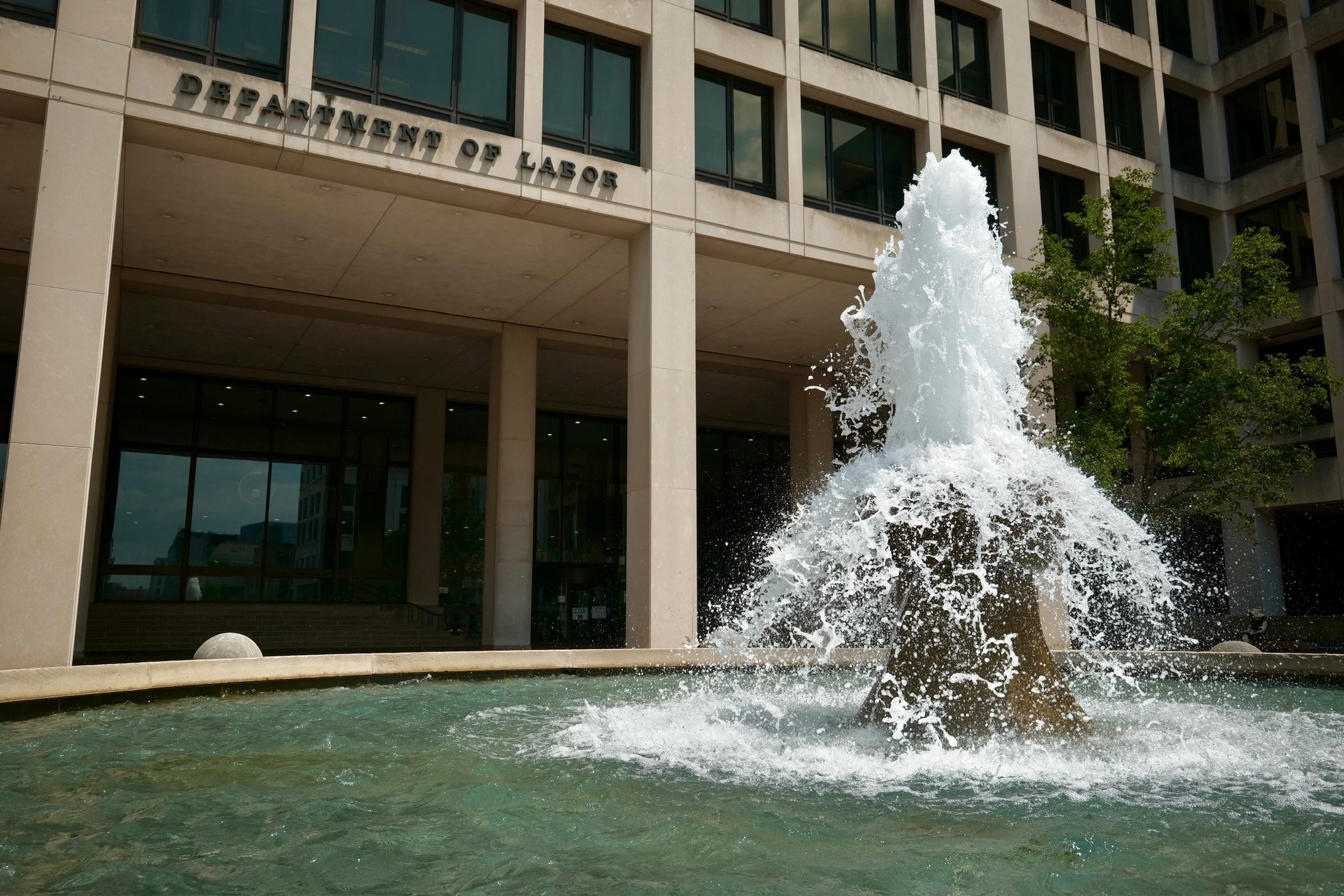
Department of Labour, 25/07/2025
V : That’s so interesting. Do you exclusively take pictures of brutalist buildings or do you have fun with it?
H : Of course I have fun with it! But yes, I am a lot more oriented towards architecture and buildings.
V : Then, in general, would you say you are completely architecture oriented? Do you enjoy portrait photography?
H : I’ve never really done it. I occasionally take pictures of friends on a night out. But honestly, I only find it fun because they are my friends.
V : So, you wouldn’t take pictures of strangers? What are your thoughts on street photography? Like the work of Bruce Gilden.
H : Only if they paid me! And yes, I’ve seen his work, I really like it.
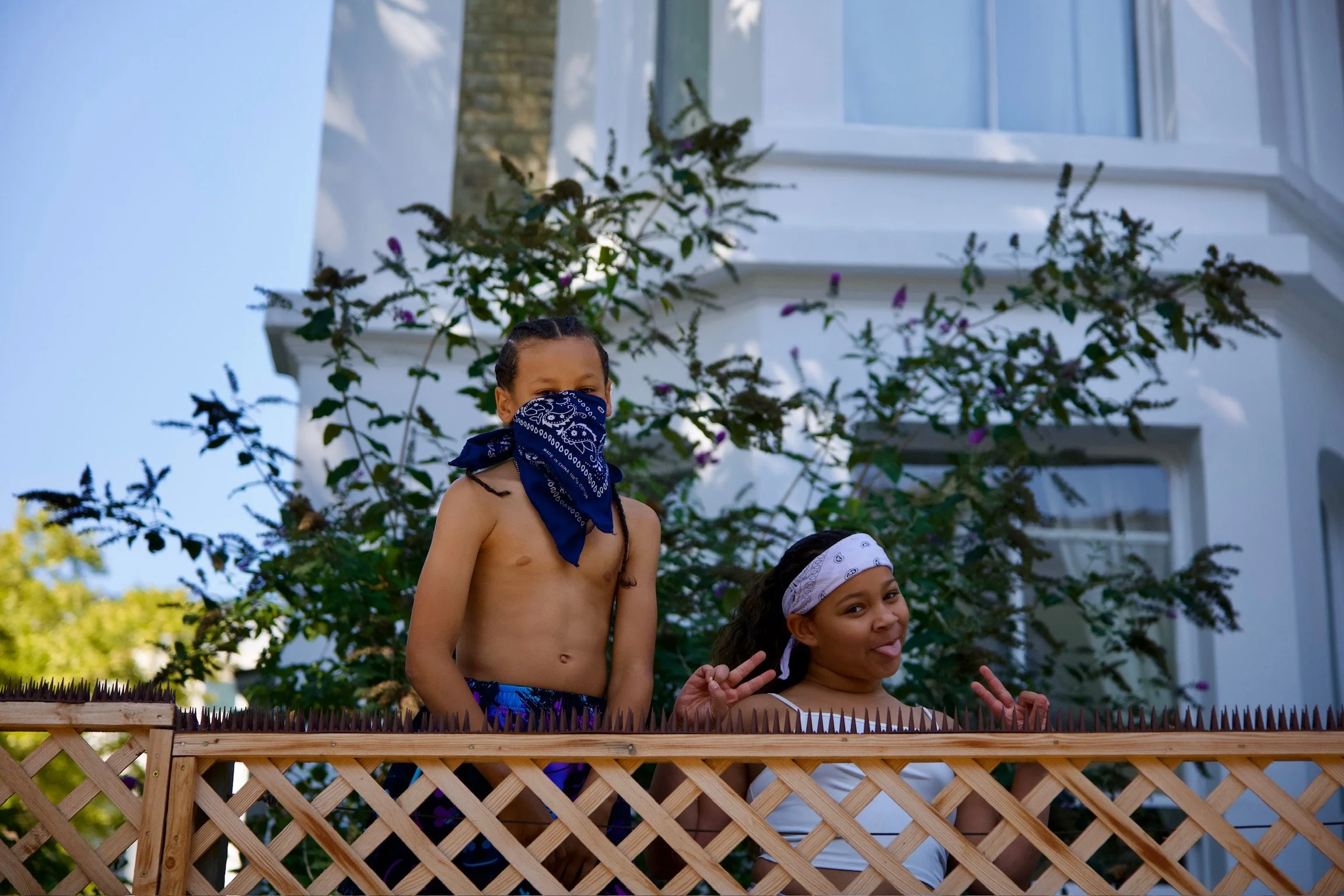
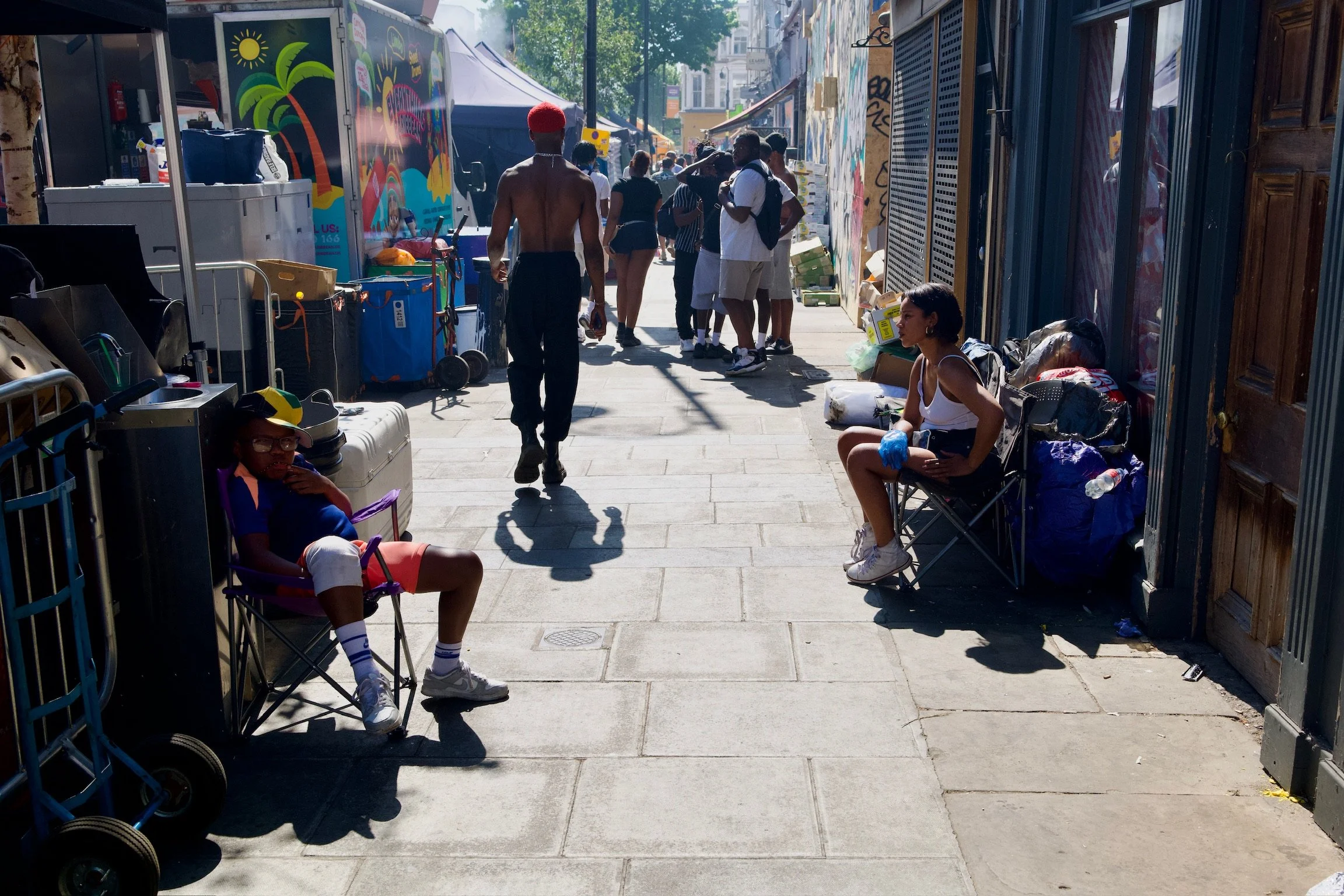
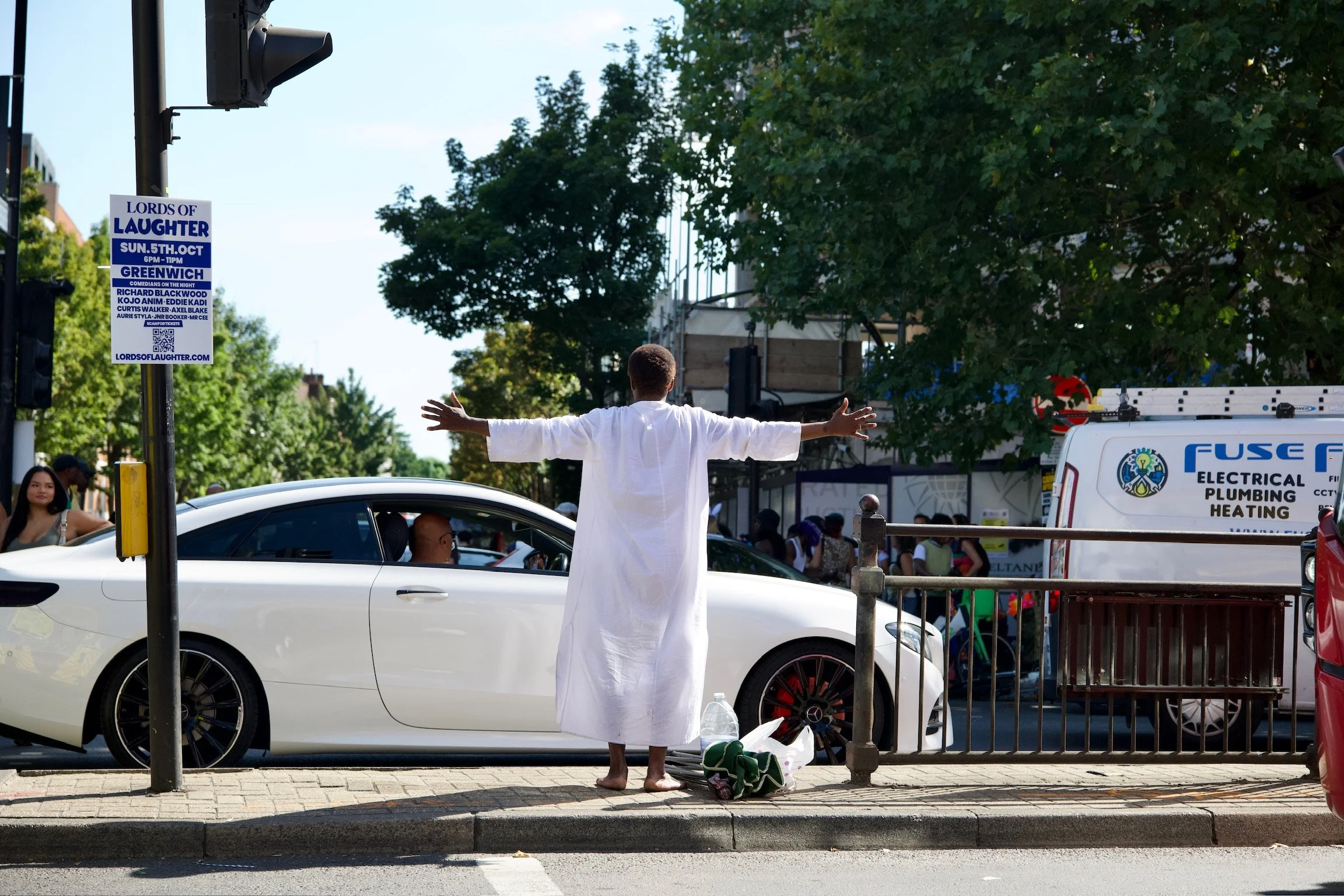
V : The whole scenario of walking up to someone and taking a really close-up picture of their face is a socially anxious person’s nightmare. (Laughing) What do you think happens after?
H : I guess people just look back at him and carry on. What are you going to do? You just walk away.
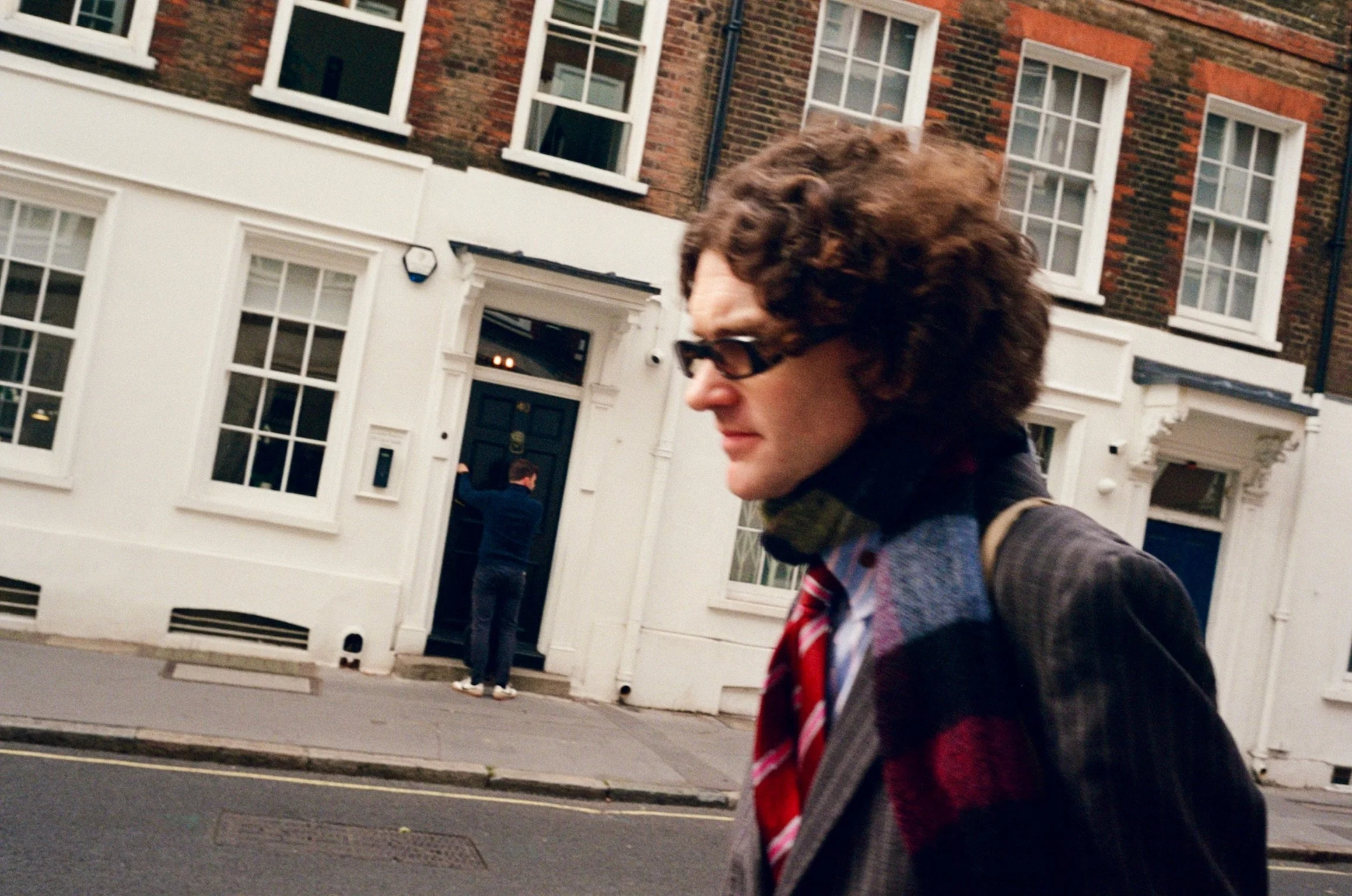
V : I would be really pissed off if someone did that to me. Anyway, do you happen to know about Bauhaus photography? Your work really reminds me of this movement. Your picture,“ Ladder”, is particularly striking in its association with it.
H : I don’t really like that picture.
V : Bauhaus is about simplicity and geometrical shapes; does that speak to you?
H : I really like the symmetry of things!
V: So, do you like Wes Anderson's films?
H : No, not particularly. Honestly, I only like Fantastic Mr Fox. I think Wes Anderson has found a great niche and is great at what he does, but the scripts are quite boring. The animations are brilliant though; Isle of Dogs is great.
V : Yes, it is. Do you like animals? What about animal photography?
H : I like birds, especially crows; but they are very difficult to take pictures of. They keep on flying away. It feels derivative because of that one guy (Masahisa Fukase) who was awful to his wife, and started taking pictures of birds. But I haven’t gotten divorced yet so I should be fine.
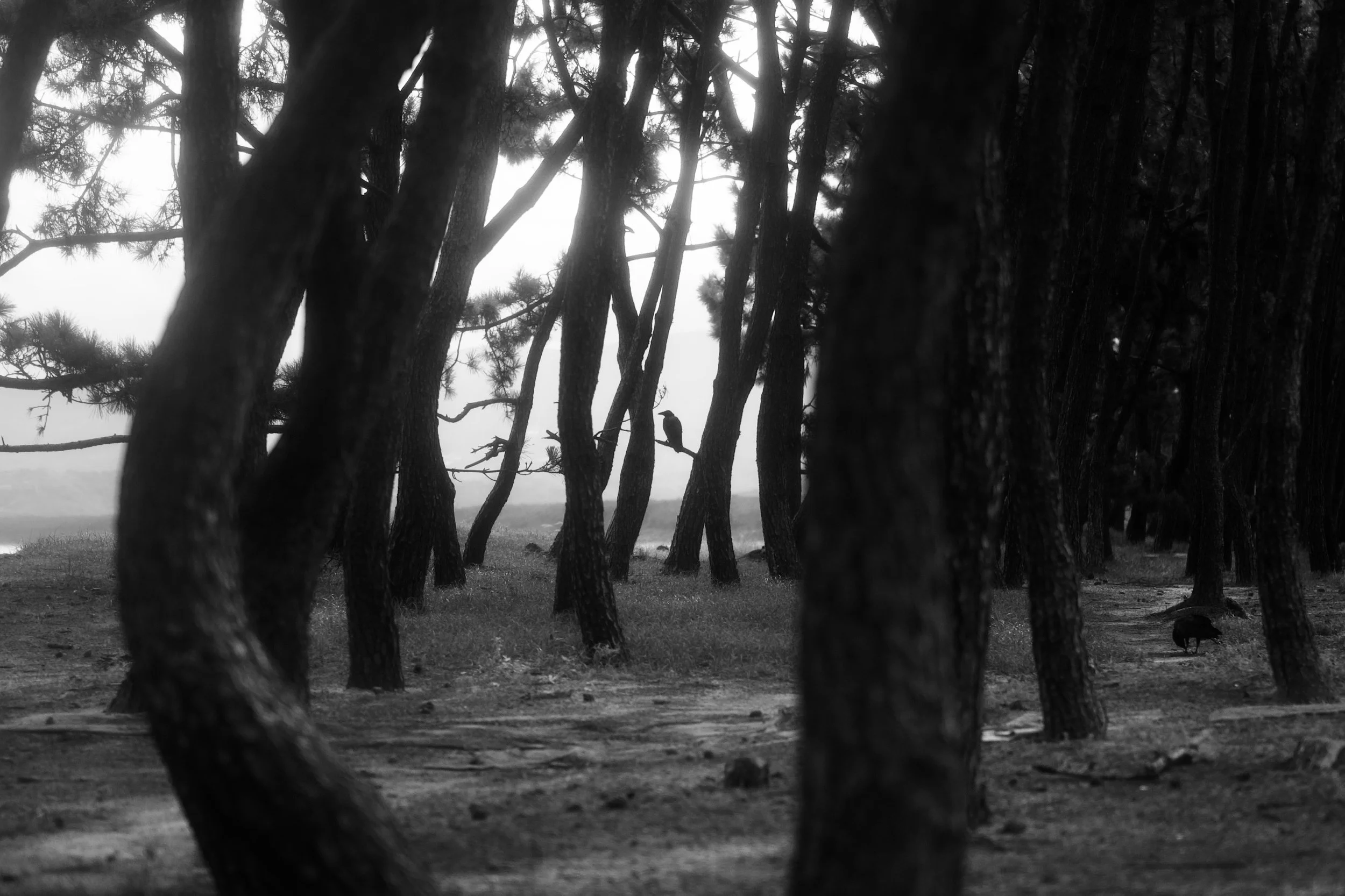
Crows (1), 09/2025
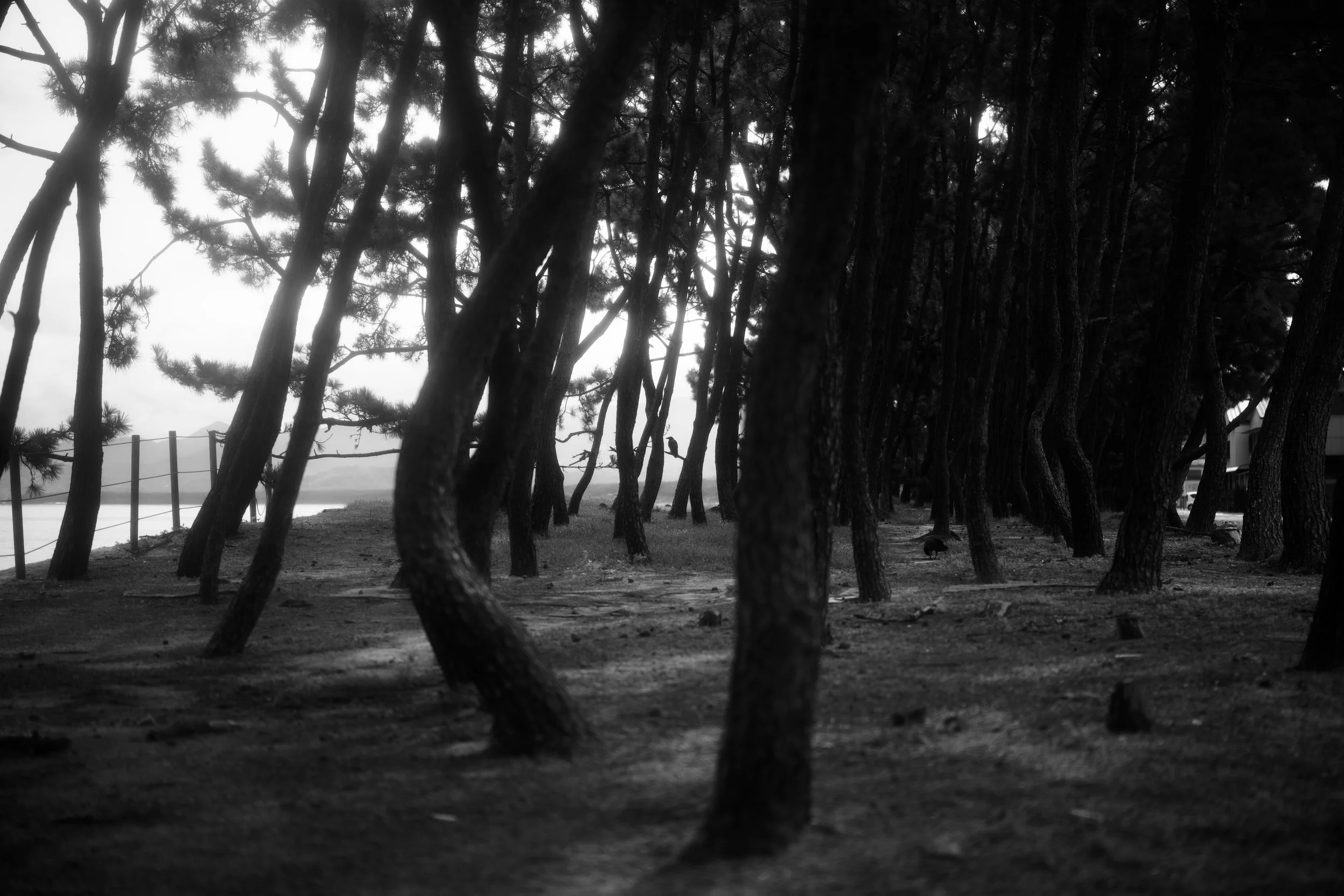
Crows (2), 09/2025
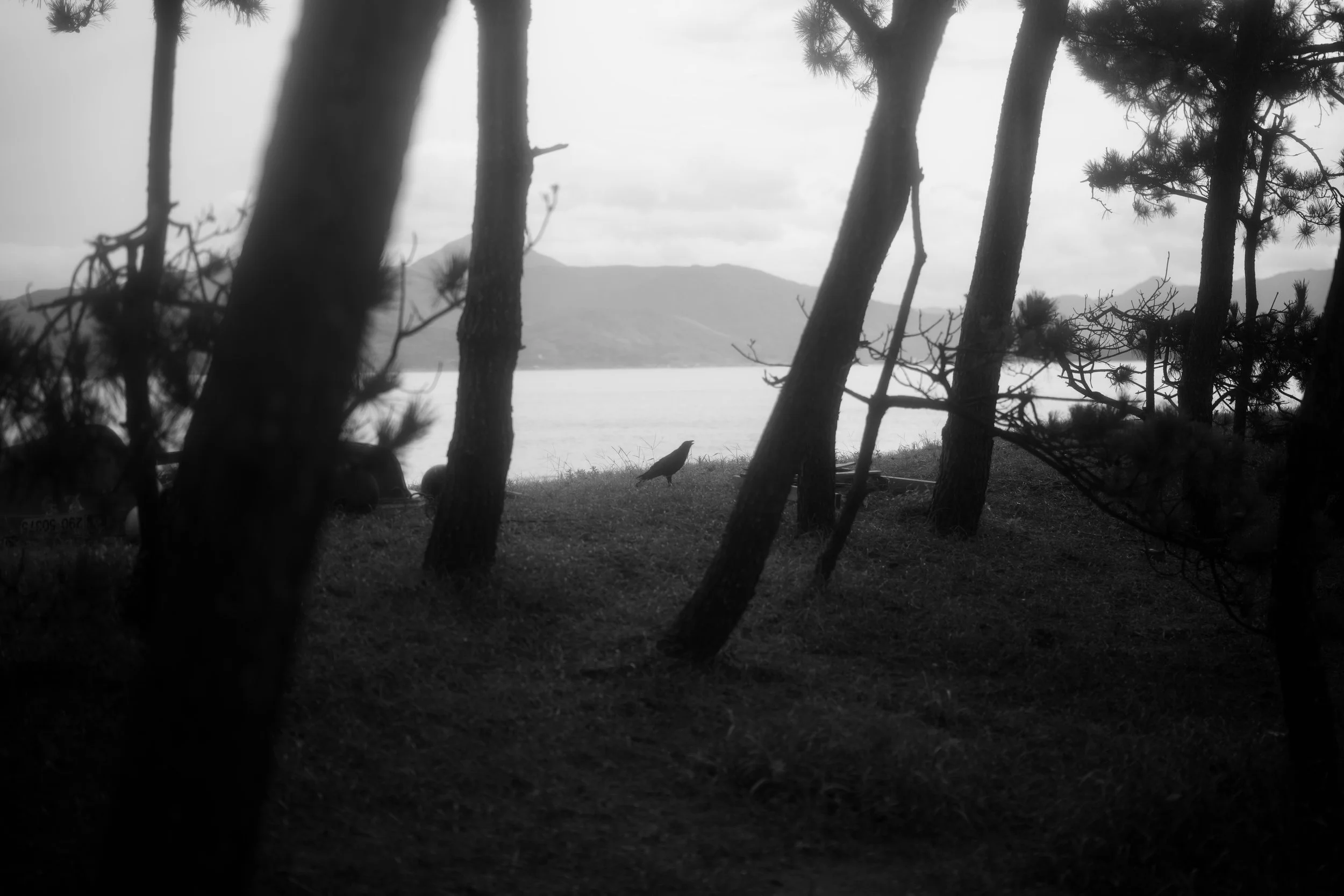
Crows (3), 09/2025
V : Tell me more about crows.
H : Birds. Black feathers.
V : (laughing) Right. Harland, in general, it feels like all of your pictures are capturing a moment of your memory. Even in the ones taken on the street, it seems as if people are just objects you use as mechanisms to capture lighting and geometry, almost blending into the background rather than standing out. In “Sunbeam death rays”, the people in the background are just interacting with the lighting as silhouettes. In “What I see when I'm drinking”, your perspective stands out alone, whilst the rest of the world is distorted. In “Stairs”, all the faces are blurred out during the entire process.

H : I stood there for a very long time. I got quite a few strange looks.
V : So, do you not look at people at all when you work? Do you only focus on the bigger picture?
H : I am quite taken by silhouettes, but I am not into facial expressions. I like them because they are a part of the lighting, which is one of my favourite things to play with.
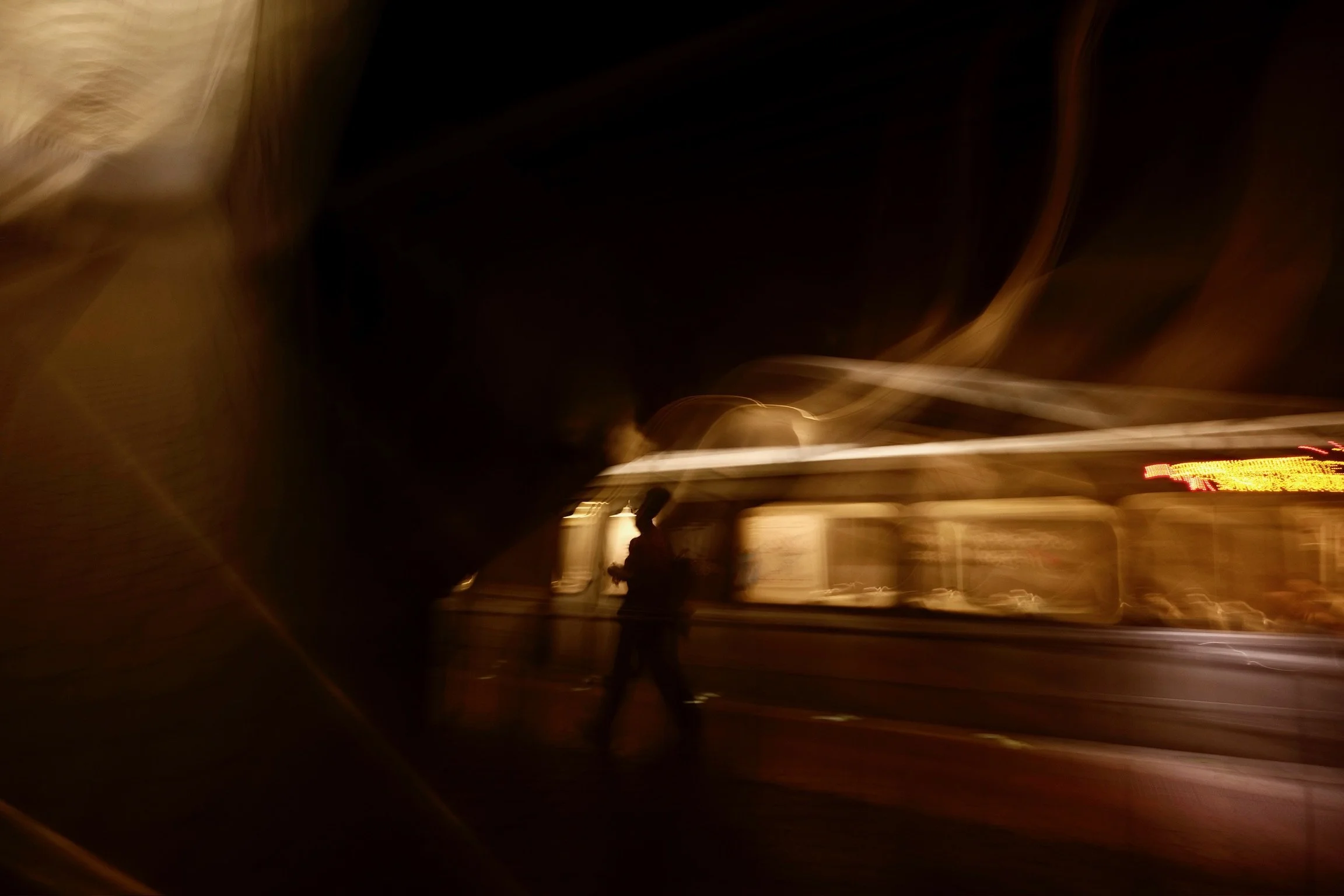
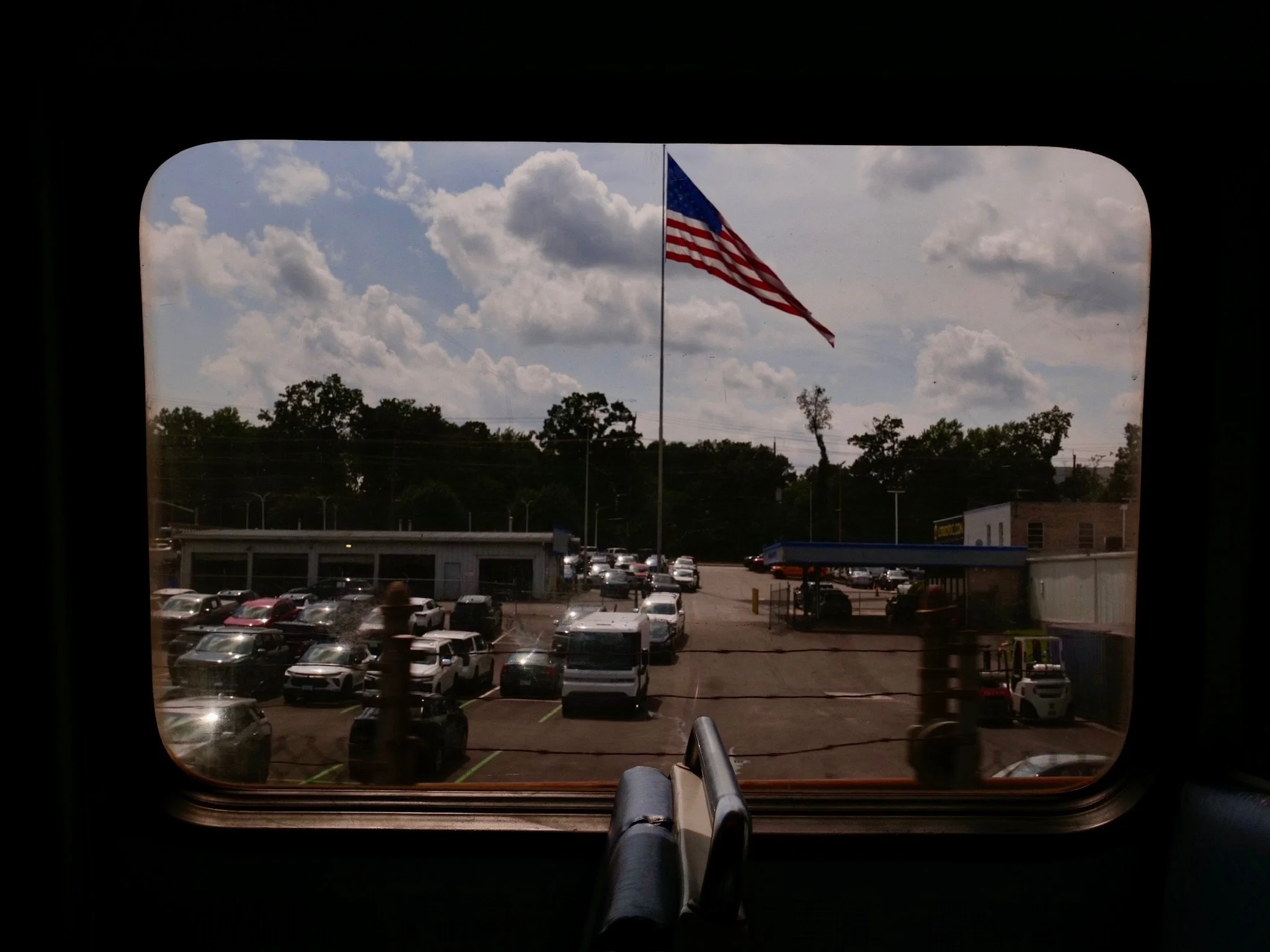
Red Line Train Entering the Tunnel at Van Ness, 26/07/2025
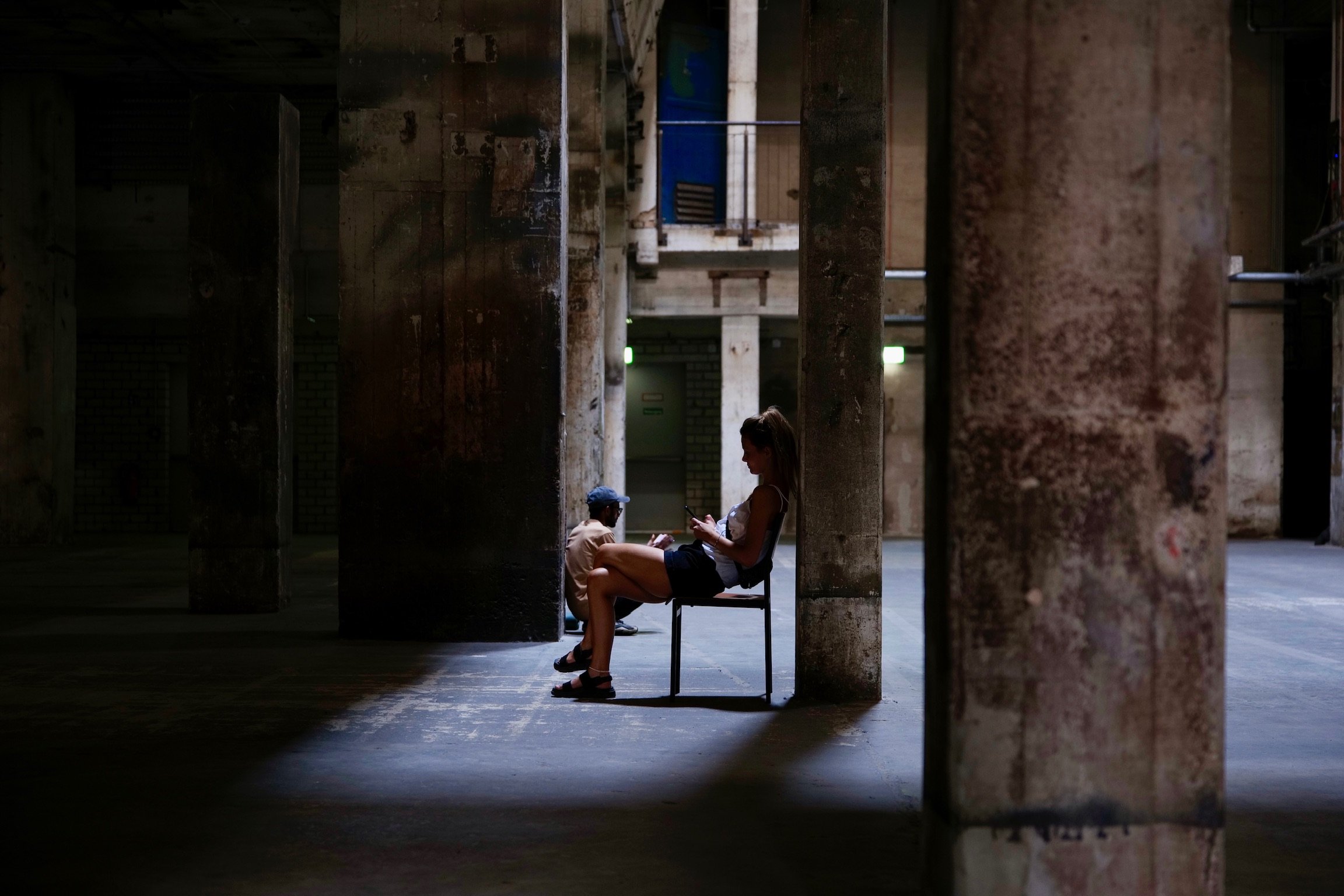
Seated at the Club, 14/08/2025
V : Have you ever analysed your own work?
H : No. Sometimes I look back at old pictures, and I dislike them, but I don’t analyse them.
V : You shouldn’t look back too much. Have you ever heard of the Japanese photographer Daido? He didn’t look back on pictures too much; he believed in the beauty of an instant. Nevertheless, saying this, I love colour grading and editing pictures.
H : I never get rid of them, I just look back at them and think, “oh, I don’t like that anymore”. I would never get rid of them, which is a real storage issue.
V : I find your pictures very immersive. When analysing your work, I really felt like I was seeing the world through your eyes. I could tell what fascinates you, and what you may have thought in that moment. Is that something you aim at? Do you try to make your photography relatable?
H : I would like people to think that my photos are good. A lot of them are just for me, though. I have a lot of pictures of telegraph poles. These are just for me. Some of them are silhouettes. I suppose which ones are my favourites depends on the poll. There are some very nice ones in Japan.
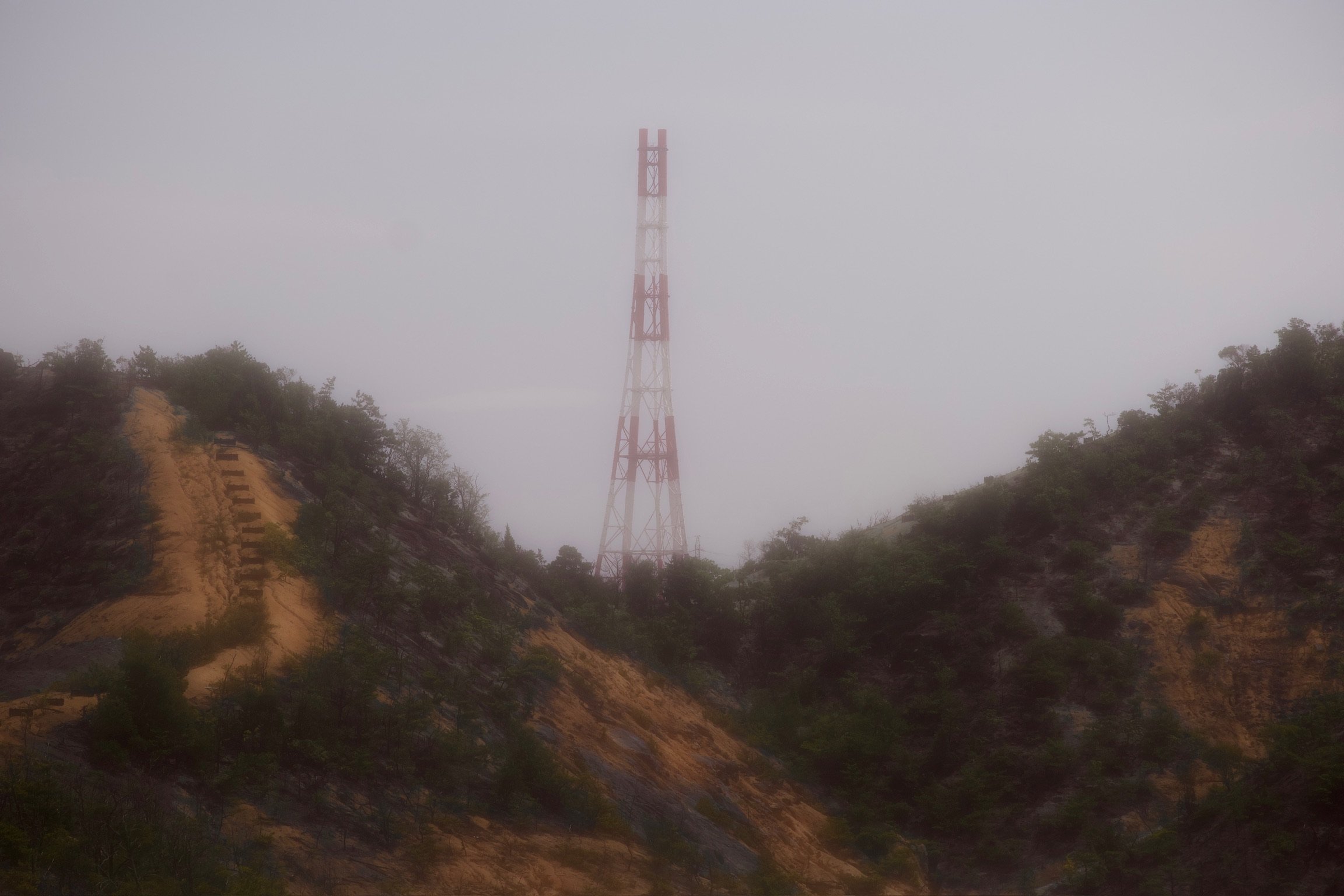
untitled
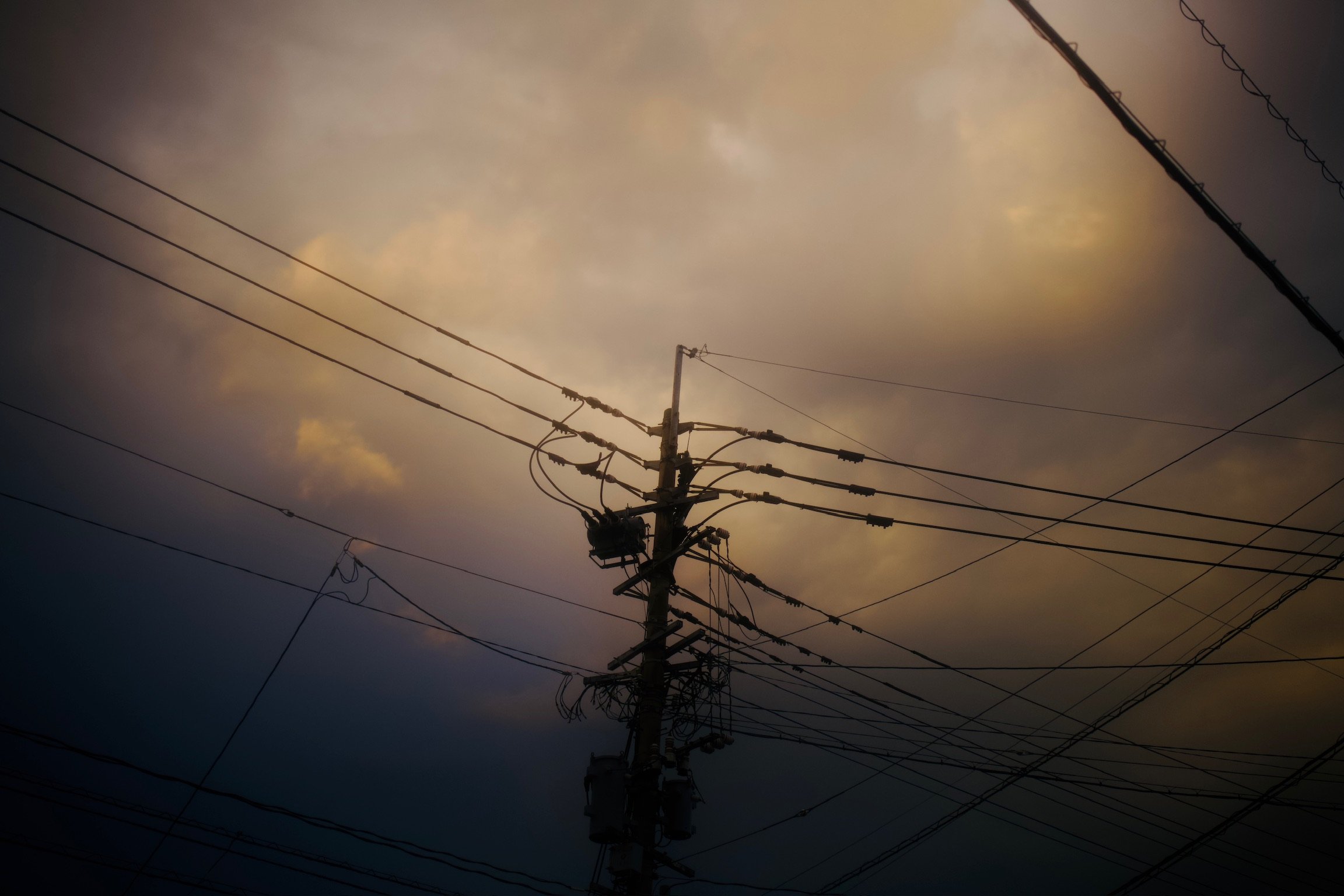
Pylon, 33°26'53.3 N 129°59'11.4 E, 12/09/2025
V : When did you go to Japan?
H : In September. It’s a unique place. I’m not sure I would live there. I went to Tokyo, Kyoto and other cities. Kyoto is a very cool place to be. I was especially taken by its buildings. I really liked it.
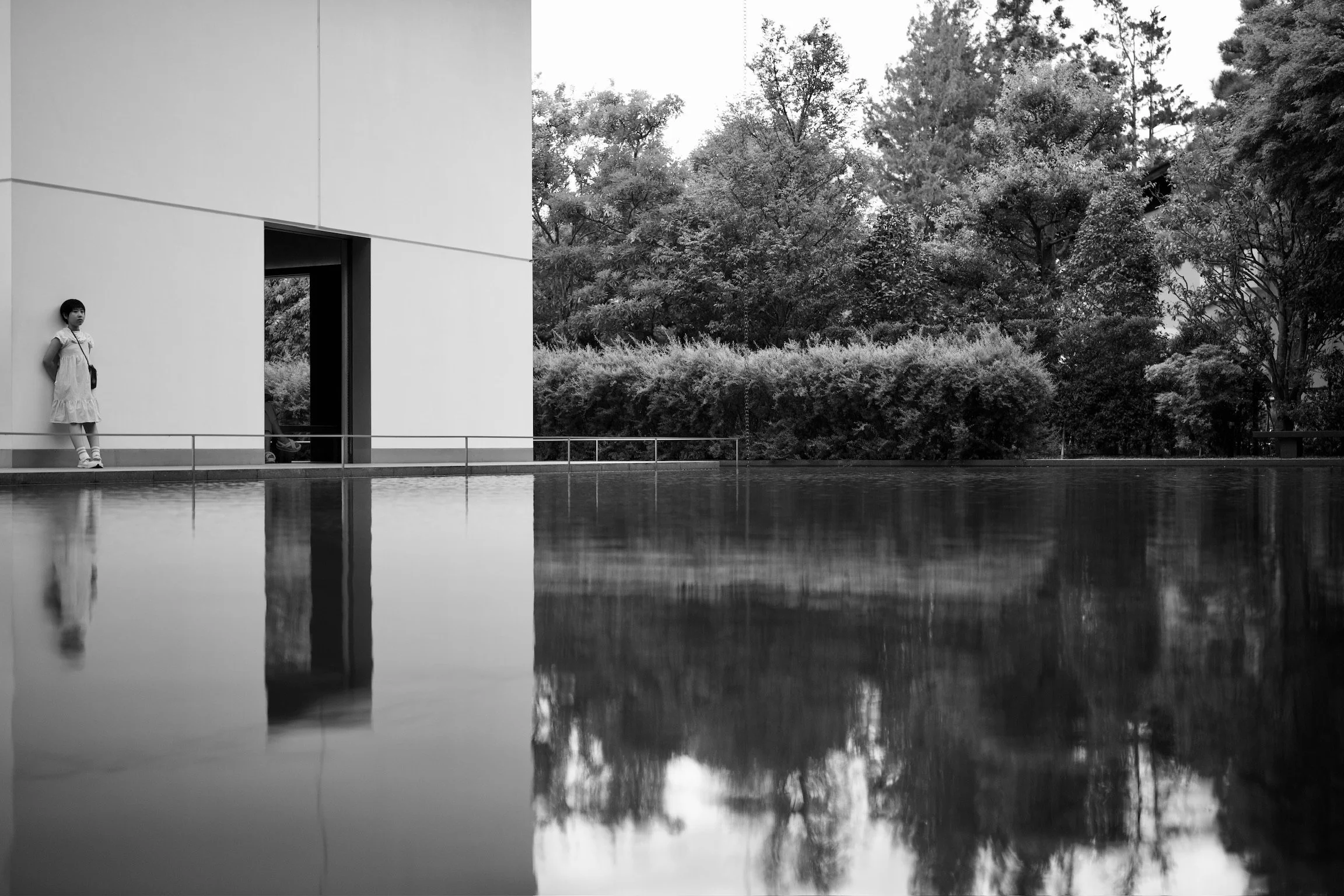
V : You really adore architecture.
H : Yes, I guess it is an escape for me.
V : That’s wonderful. What inspires you most with lighting in your pictures? What scenarios do you think lighting is best used in your work?
H : I love sunsets and sunrises. I like sunrises especially; they are often emptier. Literally emptier. No one is around, so I can focus more. I don’t like clouds; I never take pictures when the weather is overcast. It is like nothing particularly dynamic is happening. If there were a thunderstorm or something was going on, why not?
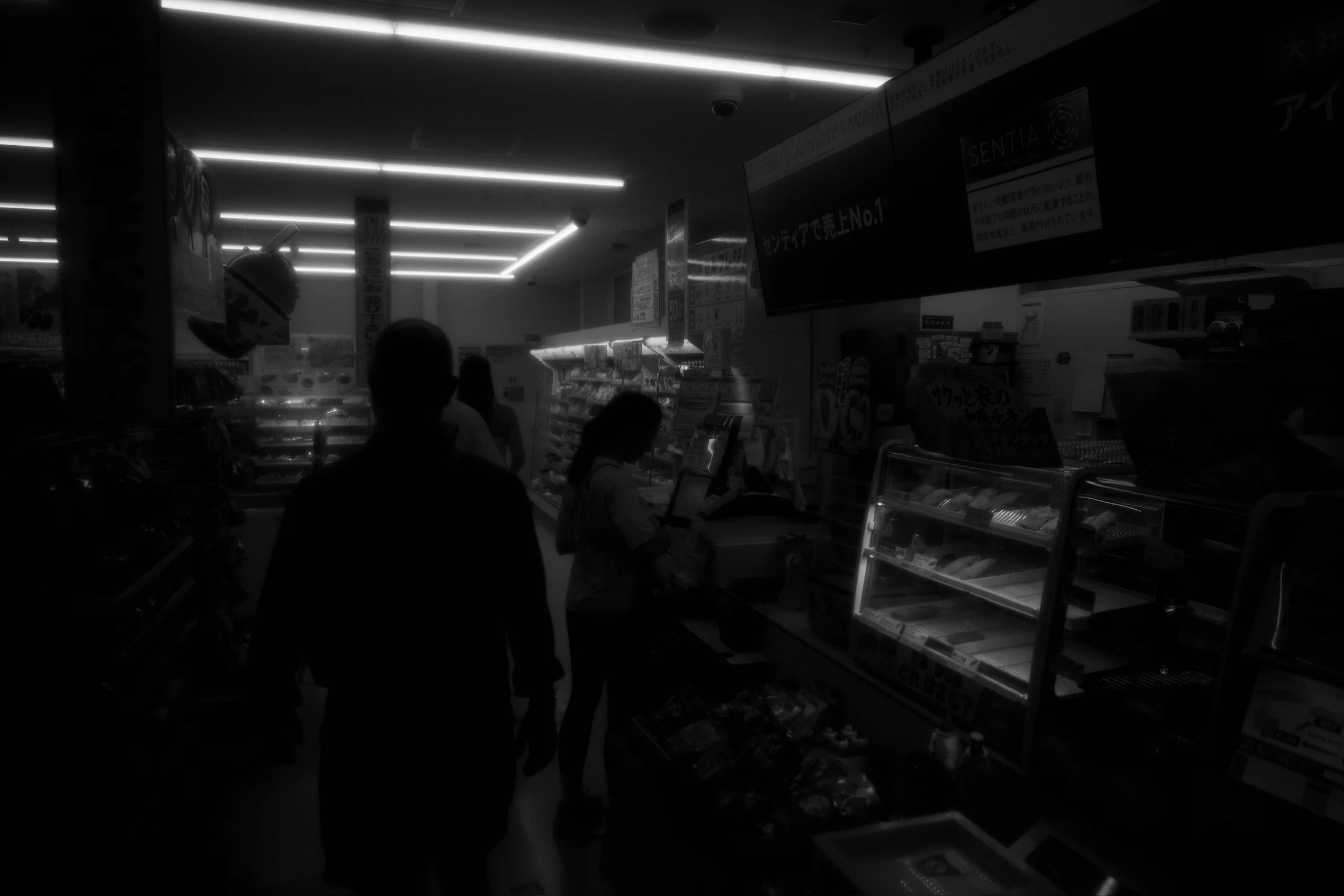
V : What is your favourite place in the world to take pictures?
H : The space between Soho and Regent’s Park. There are loads of cool buildings there, especially Centre Point. I captured “Waterfall” underneath one of the LSE accommodations.
V : What do you think they thought when they saw a grown man crouched down taking pictures of the gutter?
H : (laughing) I mean, I was pretty young at the time. I did not look like a grown man.
V : It was less than a year ago.
H : A lot has changed. I’ve aged.
V: (laughing) I see. Tell me more about Japan! What kind of pictures did you take there?
H : I got very invested in the taxis. The old school ones, the newer ones are ugly.
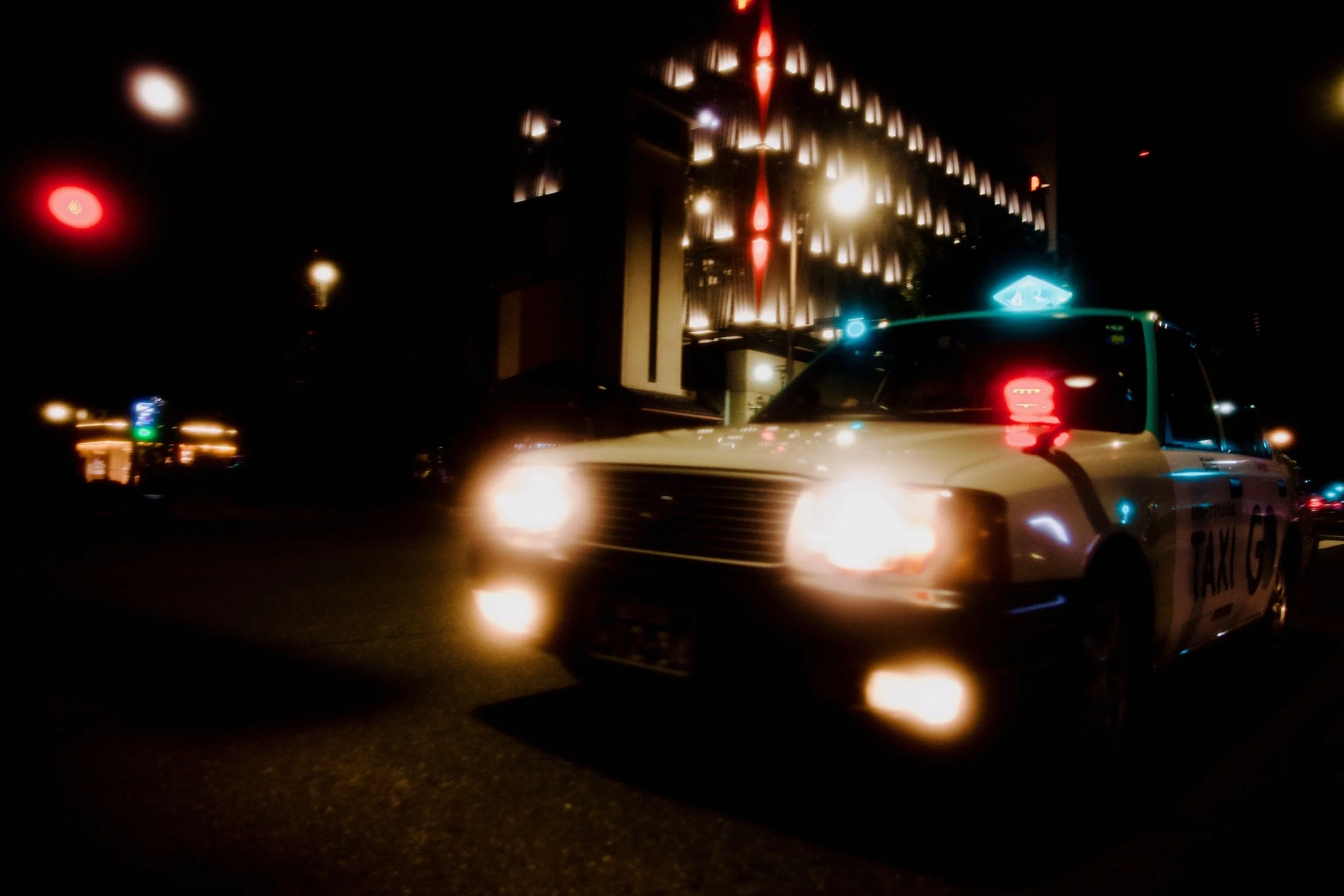
Taxi (1), 07/10/2025
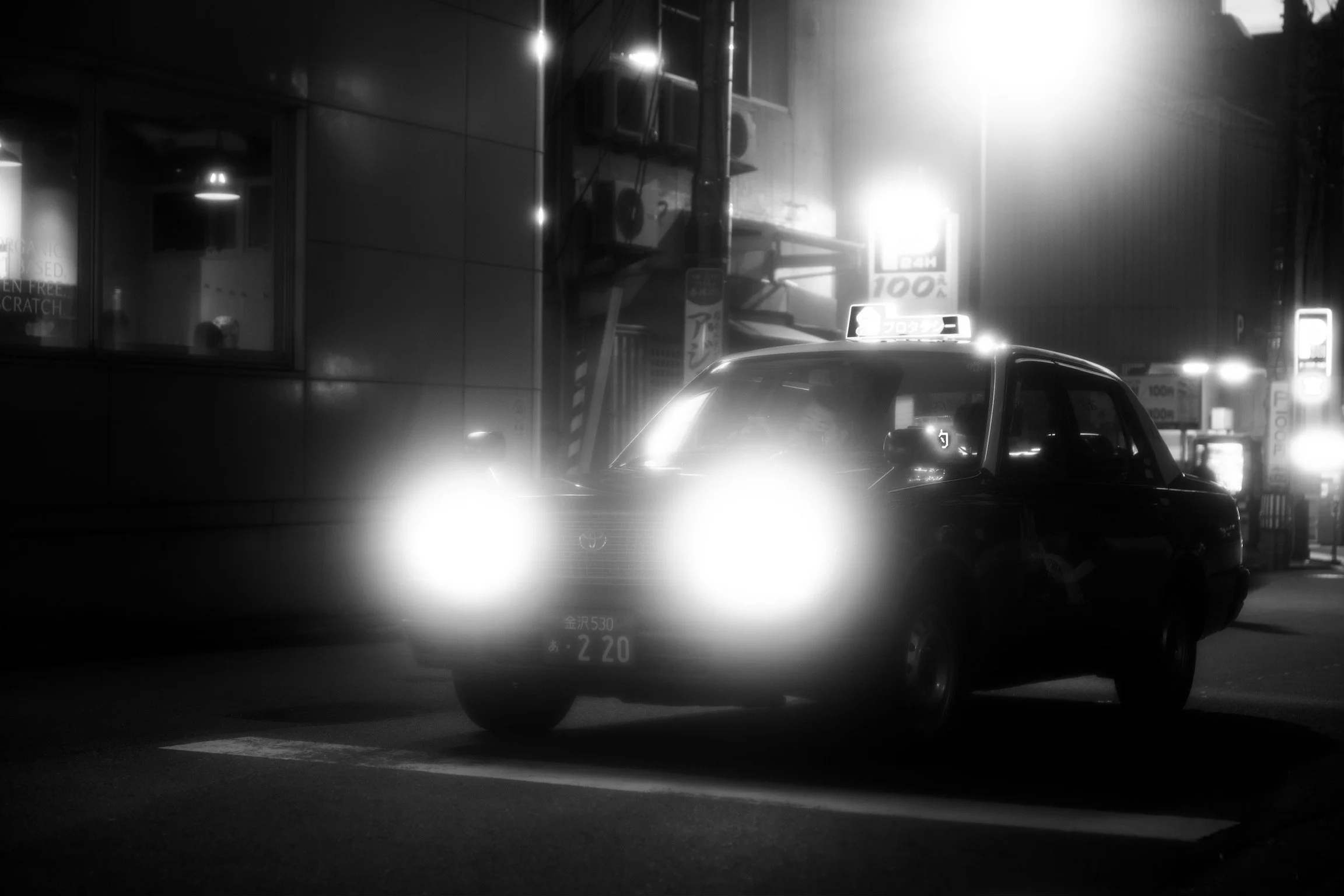
Taxi (2), 07/10/2025
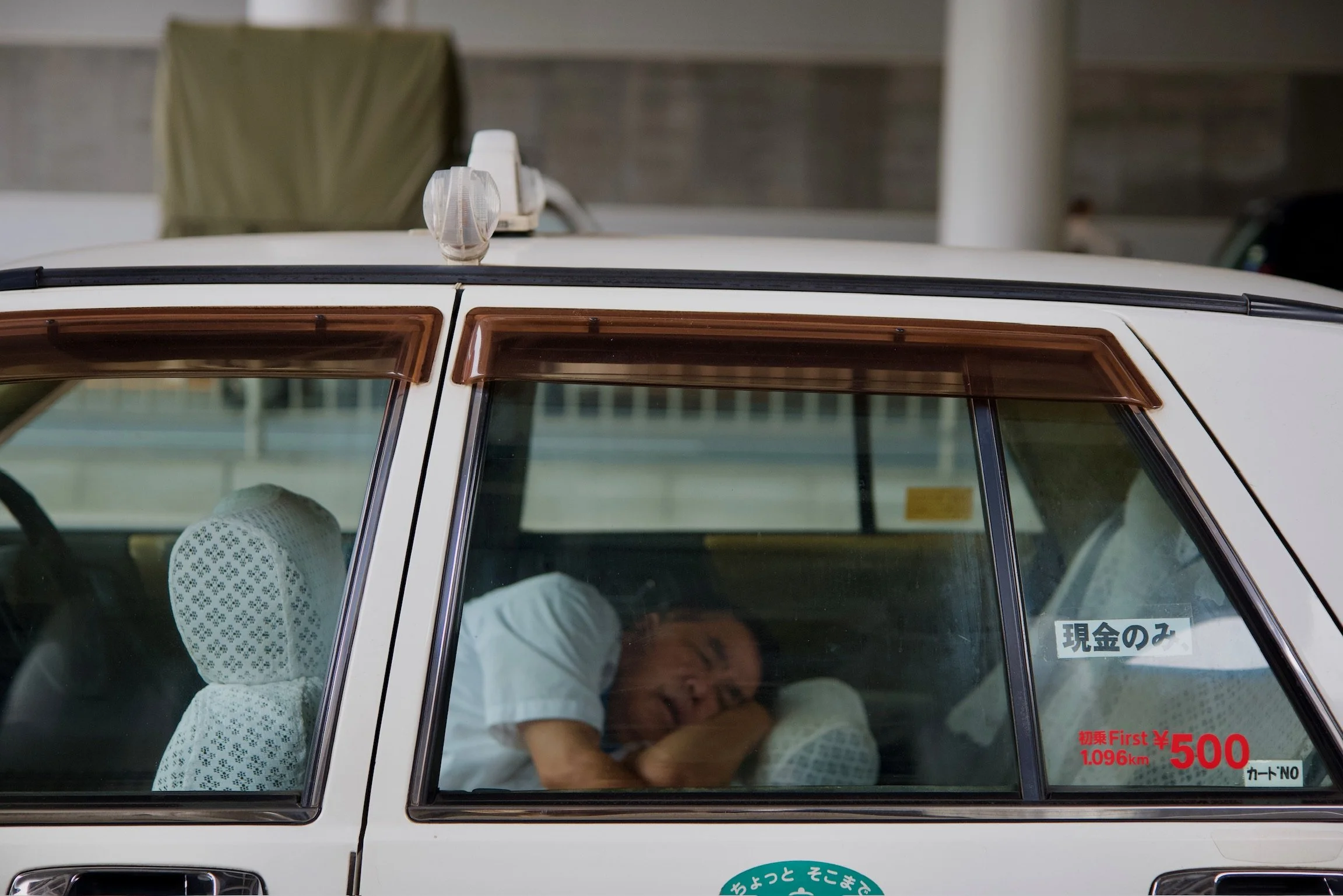
V : You should travel to Hong Kong one day. Their red taxis are amazing to capture!
H : I know ! I would love to go there. I have heard so much about it.
V : Do you ever take selfies?
H : No, I have taken a few pictures of bone growths I have on my chest, but they didn’t really resonate with me all that much. I was inspired by Clara Giboin’s recent ROCKP.S submission; I thought her “Contours” collection was very beautiful.

V: Clara is very talented; she was featured in Vogue many times! I think she mainly focuses on film photography, though. What about you, do you prefer digital or film?
H : There is no reason to prefer Film over Digital.
V : Well, don’t you think there is an amazing grain to film photography? It feels a lot more authentic.
H : (laughing) You can just up the ISO for that! I find Film deeply inconvenient.
V : I understand! Well, thank you so much for agreeing to speak with me, Harland. This was very interesting!
H : Thank you for having me!
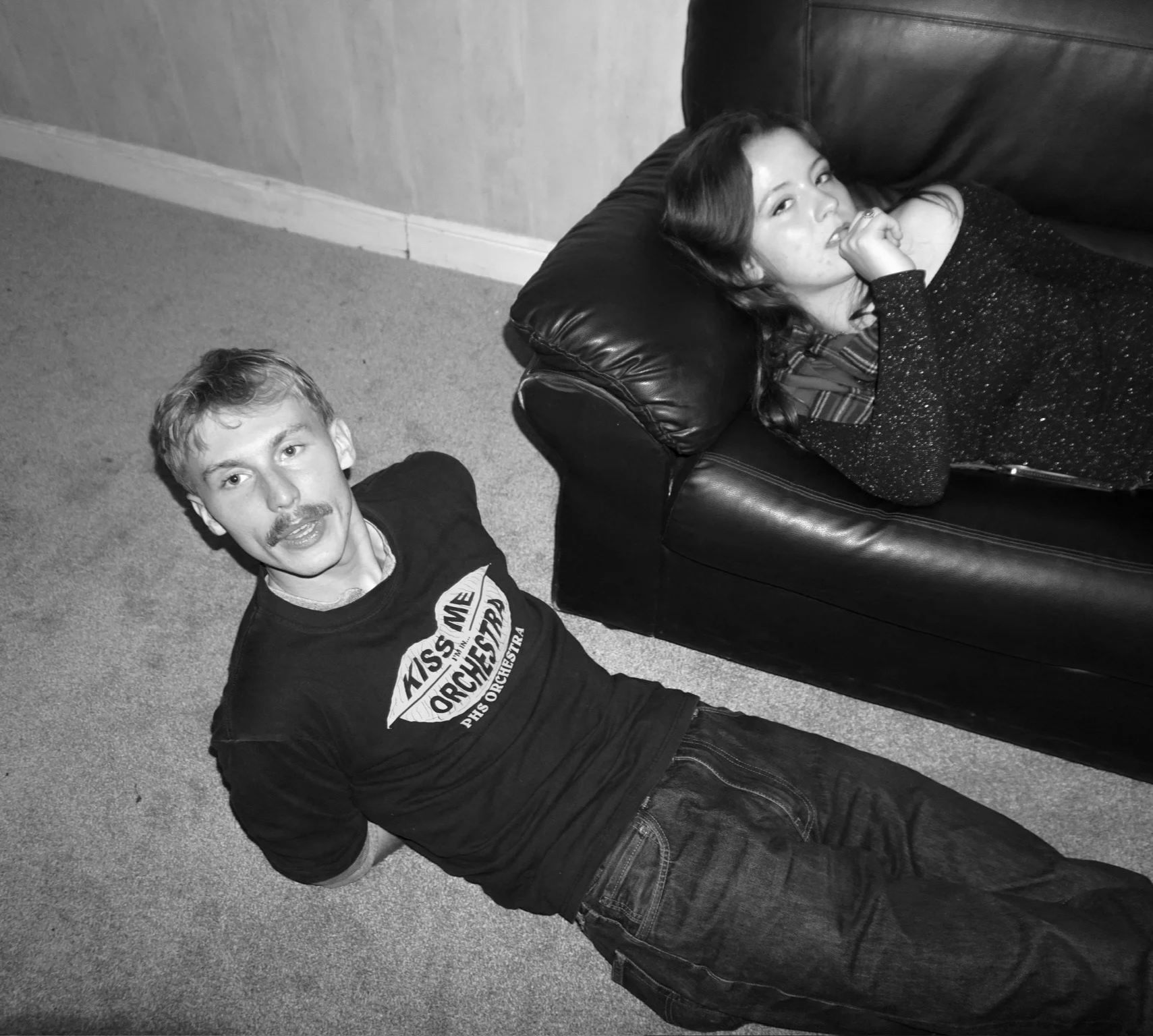
Harland Cossons & Violette Morel De Boncourt, By Lola Terek, 18/10/2025
Interview December 2025